

Goa’s property market has matured past the old pattern of quick holiday-home decisions and short-term hype. What we are seeing moving into 2026 is a more measured buyer mindset, one that values livability, stability, and long-horizon ownership logic. At Namiq Estates, we consider this shift healthy for Goa real estate investment because it rewards clear thinking and better asset selection, not rushed emotion.Instead of buying purely for “a Goa address,” more buyers are asking practical questions. Can I actually use this home for extended stays? Does the neighbourhood work year-round? Will maintenance be manageable? Does the asset still make sense if rental demand softens for a season? That evolution is shaping a calmer environment for decision-making.
Key takeaways
- Lifestyle-led buyers are raising demand quality
- Micro-market logic matters more than North vs South
- Buying property in Goa works best when diligence leads the decision
- Buyer intent is shifting from holiday-only to usable ownership
A growing share of buyers are no longer looking at Goa as a place they visit once or twice a year. They are planning workcations, longer stays, and in many cases, semi-permanent living. This changes demand quality because end-user intent typically creates more stability than purely speculative cycles.From a Namiq lens, this is also why “good inventory” looks different in 2026. Layouts need to feel functional, not just photogenic. Homes need to be easy to run when you are not there. Communities need to feel quiet, controlled, and consistent, especially during peak months.
Are Access & Connectivity Now Essential For Livability Rather Than Just Convenience?
In 2026, the strongest pockets are often the ones that feel effortless to live in. That includes road access, daily essentials nearby, and neighbourhoods that function smoothly across seasons. Buyers are increasingly prioritising ease of movement, reliable approach roads, and practical day-to-day convenience over being “close to the party belt.”This is one reason Goa real estate investment decisions are becoming more micro-market driven. Two homes at similar price points can deliver very different ownership experiences depending on approach roads, neighbourhood rhythm, density, and long-term development character.
Is Better Scrutiny Pushing Buyers Toward Quality And Cleaner Ownership?
The most consistent long-term value in Goa usually comes from assets that are well planned and properly documented. Buyers are paying closer attention to approvals, title clarity, build quality, and how a community is managed because they want fewer surprises after purchase, and that mindset is shaping smarter Goa real estate investment decisions. At Namiq, this is where we spend a significant part of our advisory work. We focus on reducing avoidable risk by filtering options through paperwork comfort, build standards, neighbourhood stability, and ownership practicality. In a market that is maturing, that discipline matters more than chasing a headline deal.
North Goa Vs South Goa Is Not The Real Question, Micro-Markets Are
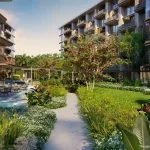
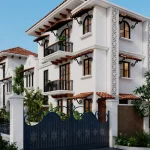
North Goa continues to attract buyers who want lifestyle access and flexibility. Pockets like Assagao and Siolim are now treated as year-round addresses by many buyers, not just seasonal holiday zones. The demand here often favours gated, low-density living that supports personal use while keeping rental optionality open.This is also where a project like Grand Sereno fits the 2026 mindset. In the Nagoa belt, the appeal is not “buzz.” It is scarcity, privacy, and open field views in a small private community. For buyers who want a real home experience in North Goa, that kind of low-supply product tends to stay relevant.South Goa, meanwhile, attracts a different intent. Many buyers choose it for space, quieter living, and lower density. Near the Colva side, we are tracking a wellness-led, field-view villa community concept that is designed around calmer daily rhythms and long-stay comfort rather than nightlife adjacency. That positioning aligns closely with what more buyers are asking for in 2026.For apartment-style ownership, we are also seeing steady interest in a resort-style 1 and 2 BHK community concept in the Siolim corridor, where buyers want a lighter-maintenance second base with structured upkeep systems. These options tend to suit buyers who want Goa ownership without the heavier operational footprint of a large villa.
Goa Property Price Trends In 2026 Are Likely To Be Steadier, Not Uniform
After the sharper post-pandemic run-up, 2026 is shaping up as a more rational cycle. That does not mean prices move the same way everywhere. It means the market increasingly differentiates between quality micro-markets and weaker ones.When we look at Goa property price trends, the strongest performers are usually the ones that combine three things – good access, controlled density, and clean ownership fundamentals. Overbuilt zones, disconnected pockets, or assets with unclear operational realities can stagnate even when the broader market feels positive.This is also where informed buyers do well. A calmer market gives you time to compare options, negotiate properly, and verify diligence without urgency. In other words, Goa property price trends become less about hype and more about selection.
The Namiq View: Why 2026 Can Be A Smart Entry Point If You Buy Correctly
The advantage in 2026 is not chasing quick flips. It is selecting assets that remain desirable as lifestyle patterns evolve. Homes that are easy to access, simple to maintain, and located in stable, liveable neighbourhoods tend to age better than purely speculative buys.At Namiq Estates, we work buyer-first, with a focus on micro-market clarity and vetted options that match real usage goals. If you are thinking about buying property in Goa, the smartest move is to align the asset with how you will actually live, use, and hold it.That is exactly why we see 2026 as a strong year for goa real estate investment, provided you buy with a plan, not a rush.