

When Indian buyers start searching for a condominium for sale in Phuket or asking whether it makes sense to buy a house in Phuket, they are usually not asking a travel question. They are asking a much more practical one: where can I own overseas in a way that still feels clear, manageable, and worthwhile from India? Phuket is getting stronger in that conversation in 2026 because Thailand is actively deepening its India-market strategy, Indian travel into Thailand remains strong, and Phuket International Airport is on an expansion path designed to raise annual capacity from 12.5 million to 18 million passengers by 2029.
That is exactly why we look at Phuket the way we do at Namiq Estates. We do not treat it as an endless overseas browsing exercise. On our site, Phuket is presented through a condominium-led lens, with on-ground advisory and a handpicked set of homes that work as lock-up-and-leave assets with shared pools, gyms, security-managed access, and a more structured ownership experience from abroad. We also make it clear what we review before recommending a property: title clarity, build quality, association management, and whether the location actually suits how the buyer wants to use the asset.
Key Takeaways
- Phuket looks more relevant to Indian buyers in 2026 because India is one of Thailand’s strategic growth markets, direct air access remains strong, and Phuket’s infrastructure story continues to move forward.
- For foreigners, condominiums are usually the clearest ownership route, because freehold condo ownership is permitted within the legal foreign quota, while land ownership is a different and more restricted matter.
- Rental strategy is not one-size-fits-all in Phuket. If a project is not hotel-licensed, rentals under 30 days generally become much harder to structure legally, which is why the management and licensing model matters so much.
- Our shortlist is not generic. It includes distinct projects like Marriott-managed PEYLAA, Radisson-managed LAYA Resort, Dusit-managed Layan Verde, and Abov Residency near Patong Beach, each serving a different buyer brief.
What Makes Phuket One of the Most Practical Overseas Markets for Indian Buyers?
From where we sit, Phuket is not becoming more attractive just because it looks aspirational. It is becoming more practical. Thailand’s tourism authority described India in February 2026 as a strategic and high-potential market, and noted that Thailand welcomed 2,487,319 Indian travellers in 2025, with direct connectivity into Bangkok, Phuket, and Krabi continuing to strengthen. C9 Hotelworks also reported that Phuket reached 8.8 million arrivals in 2025, with India among the strongest growth markets. That kind of movement matters because second-home markets tend to feel more relevant when the destination already has repeat traffic from the buyer’s home base.
It also helps that Phuket’s ownership structure creates a natural filter. Foreigners can own condominium units freehold, but only within a legal cap of 49% of a project’s total sellable floor area, and that cap is measured by area, not simply by unit count. That makes good foreign-quota inventory meaningful, especially in projects backed by recognised operators and stronger management systems. It is one reason luxury properties in Phuket are increasingly being weighed as structured acquisitions rather than impulse holiday buys.
Condominium Opportunities on the Island: A Look at Options for Indian Buyers
For Indian buyers comparing properties for sale in Phuket Thailand, the condominium route usually makes the most sense as a starting point. A foreign buyer can own a condo unit freehold in their own name if the building’s foreign quota still has room. A leasehold route also exists, but that is different. Leasehold usually gives the buyer the right to use the property for up to 30 years rather than outright ownership, and while renewal language is often marketed, the registered secure term is still the initial lease. That is why condos tend to feel cleaner and easier to understand for overseas buyers.
Can an Indian national legally buy a house in Phuket?
This is where clarity matters. When buyers first imagine Phuket, many picture a villa or standalone home. But if the brief is to buy a house in Phuket, land becomes the complication very quickly, because foreigners generally cannot directly own land in Thailand the way they can own a condominium unit within the foreign freehold quota. That is why many buyers eventually find that a well-chosen condo is the simpler route, especially if they want ownership clarity, lower maintenance, and a property that can be left, managed, and used without operational stress. That does not make villas irrelevant. It just means condos are often the more workable first step.
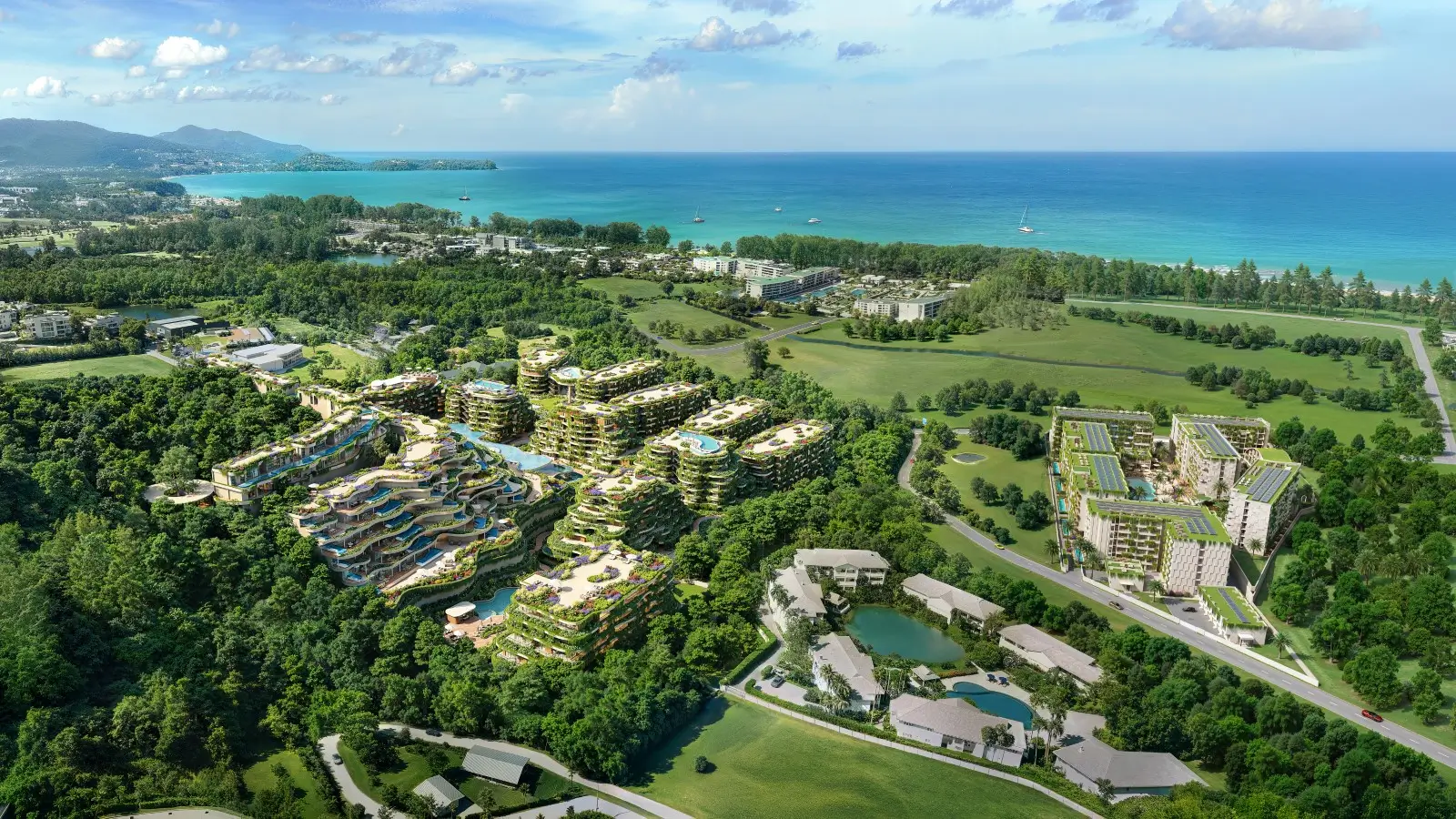
The rental model matters too, and this is one of the most misunderstood parts of the Phuket market. Under Thailand’s hotel rules, rentals of under 30 days generally fall into hotel territory unless the project has the right licensing or exemption structure. That is why project type matters so much. PEYLAA is presented on our site as a Marriott-managed master-planned condominium in Layan that combines hotel-licensed units with residential freehold options under central on-site management. LAYA Resort near Bang Tao follows a similar logic with a Radisson-managed, hotel-licensed and freehold mix across a 572-condo master plan. Layan Verde also combines hotel-licensed units with residential freehold options, while Abov Residency in Patong is a hotel-licensed, freehold-friendly project about 150 metres from Patong Beach.
That is also why you should not choose condos for sale in Phuket Thailand only by how polished the brochure looks. Bang Tao usually suits buyers who want a more refined, resort-style, quieter beach belt. Layan often appeals to someone looking for a calmer, more premium, more master-planned environment. Patong suits a buyer who wants stronger energy, closer beach action, and a more active lifestyle setting. These are not interchangeable markets, and the projects inside them are not interchangeable either
Why Is It Easier to Buy Well in Phuket with the Right Advisory Partner?
The hardest part of an overseas purchase is rarely finding listings. It is knowing what deserves your time. In Phuket, due diligence goes beyond attractive renderings. You need to confirm whether the unit is freehold or leasehold, whether the foreign quota is still available, whether the rental promise depends on a hotel licence, and whether the approvals behind the project actually hold up. Chambers notes that projects falling into prescribed categories must obtain EIA approval before a building permit can lawfully be issued, and also warns that reliance on official certifications without independent verification can be risky for foreign investors.
That is exactly why we stay condominium-led and shortlist-led. A serious condominium for sale Phuket search should not end with fifty tabs open and no conviction. It should narrow into a smaller set of properties where the ownership route, management model, rental logic, and lived practicality all line up. That is the difference between browsing Phuket and actually being ready to buy well in Phuket.
The same goes for luxury properties in Phuket. The better ones are not always the loudest online. More often, they are the ones where the legal structure, operator involvement, location fit, and long-term manageability hold together properly, whether that means a Marriott-managed master plan in Layan, a Radisson-backed resort model near Bang Tao, or a hotel-licensed beachside condominium in Patong. That is what we are really filtering for when we help buyers compare Phuket.